Posts

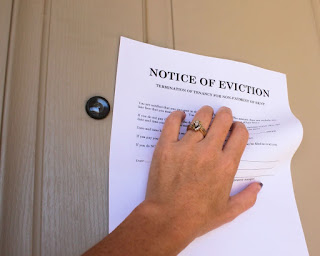
Commercial Eviction Process in Florida

Image
Commercial eviction process in Florida is a very complex issue. In order to evict commercial tenants, you must follow strict guidelines as well as the state laws. The Florida Legislature has enacted the Uniform Commercial Code, which regulates commercial transactions. The eviction of a tenant is considered to be a “commercial transaction” under this code. This means that there are certain requirements and rules that must be followed in order for the process to occur legally and without controversy. If you would like more information about how to evict your tenant, please Read on! Commercial Eviction Process The eviction process begins with the notice of termination. The landlord needs to provide written notification for their reasons and give a prescribed time frame before filing an eviction complaint in court. If it's suspected that the tenant is engaging in illegal activity, there may not be an opportunity or need for any other formal steps depending on what state you live ...

Top Rated Foreclosure Defense Attorney Broward County

Image
Brian Kowal can help you stop foreclosure if your problems are more complicated than just not being able to make a mortgage payment. For example, it might be time for the company that owns the property where you live to foreclose on their investment because they want what is theirs back or maybe someone else has already taken ownership of your home and now wants possession. Our Foreclosure attorneys specialize in finding loopholes that could halt a pending sale as well as advising you about how best to proceed with negotiations so you don’t lose everything. It’s important to get legal advice before signing any paperwork! A qualified attorney will also know when there isn’t much chance of prevailing against an eviction threat from either a bank or  a new owner. Our team of Foreclosure defense attorneys will make sure you are aware of your rights before signing any paperwork to give a lender or other claimant the right to take possession of your home in exchange for releasing ...

Best Eviction Lawyers Florida

Image
In the state of Florida , there are three types of eviction notices that an individual may receive from their landlord or property manager: A Three Day Notice to Quit is used when a tenant has violated a term which makes them legally liable for eviction. A Ten Day Notice to Quit is issued if the lease agreement has been breached and does not allow either party to make any changes without breaching its terms again within 12 months, and The Thirty-Day Eviction Notice informs tenants they have 30 days until termination date on this notice . A landlord can file a claim and request an Eviction Hearing but there are more long-term solutions that exist such as consulting with an eviction lawyer. Brian Kowal may be able to postpone or delay the process by requesting for time extensions, negotiating additional concessions from the tenant in order to prevent their eviction so they have enough time to find alternative arrangements, filing legal documents on behalf of the owner against tenants...

Tenant Defenses to Eviction Notices in Florida

Image
A collection of laws governs when and how a landlord will evict a tenant in each jurisdiction. Eviction is possible if a tenant fails to pay rent or breaks the contract or leasing arrangement. A tenant can have good reasons (legal grounds) to contest an eviction in certain cases. In this post, we will go into how and why an occupant in Florida may opt to fight an eviction. Evictions for Nonpayment of Rent In Florida, a landlord who evicts a resident for nonpayment of rent shall provide the occupant with a three-day notice to vacate for nonpayment of rent, or a notice of a common term. The occupant has three days to pay the rent or vacate the rental unit, according to this note. Contact  eviction lawyer Broward County   for more details. Does It Make Sense to Fight an Eviction? Fighting an eviction may be time and expense consuming, and it is only worthwhile if the occupant has a strong protection. If a tenant loses an eviction lawsuit, he or she might be responsible for the la...

Unlawful Detainer Action in Florida

Image
  Are you a property owner or a legal tenant with a relative, a child above 18 years, an ex-spouse, friend, ex-girlfriend, ex-boyfriend, or any person living on your property without paying rent and has no rental agreement or lease but won’t leave? Have you and that person's relationship broken, and you now ask them to leave, but they have refused? Or are you a homeowner with a squatter or an unwelcome individual who refuses to leave? If any of the above is true, you don't need an eviction or ejectment action. Unlawful detainer acts are governed by Chapter 82 of the Florida Statutes, which lays out landowners’ provisions to protect their rights in the property. An unlawful detainer action in Florida is a County Court litigation that does not include landlords, tenants, or leases such as lease agreements. It consists of a squatter or an anonymous person renting your land without paying rent or mortgage fees and refusing to leave when ordered to, despite having no legal clai...

Commercial and Residential Eviction Lawyers in Broward County

Image
  Based on an oral or written deal, you've leased out your factory, office, retail space, or other commercial property. The occupant broke the terms of the contract for one reason or another. You should now think about evicting the tenant. Residential and commercial evictions are clearly distinguished by Florida statute, with the latter being more complex and likely to result in protracted lawsuits. Refusing to pay rent or any costs owed under the contract is one of the most frequent reasons a homeowner can break the lease. Landlords must understand that evictions are not self-help measures, and they cannot evict their tenants without going through the court system. Evictions must be carried out in accordance with the rules of the jurisdiction in which the property is situated. Refusing to pay rent or any costs owed under the contract is one of the most frequent reasons a homeowner can break the lease. Changing the locks or modifying the property in some way without even going th...

The Cost of Eviction

Image
  Eviction is a tough process for the one doing the eviction and the one being evicted. During an eviction process, there are expenses that are incurred that include legal fees, court costs, lost rent, and maintenance fees. The costs incurred during an eviction process include; ●         Legal Fees:  Most times, you will need to hire an attorney to help you evict the tenant. This is so because the eviction process itself tends to be complicated and the paperwork required needs to be accurate. Even a typo can cause delays and other problems. Attorneys charge hundreds of dollars an hour and this could translate to a lot of money It is imperative to note that the more experience a lawyer has, the more the charges. ●         Court Costs:  All states charge filing fees, even though the costs may vary depending on the court. Tenants often dispute evictions. A disputed eviction that s being represented...